





94% Ranking Growth in 3 Months: Tailored SEO Strategy for Complex Enterprise Sites
In recent years, with the popularity of GEO (Generative Engine Optimization), a voice has emerged in the industry: many teams have begun to "abandon SEO" and go all in on AI search and content distribution. But among the large clients we serve in depth (especially Fortune 500 manufacturing and technology enterprises), the observed fact is just the opposite — SEO has not died out at all; instead, it has become the "entry ticket" that determines the depth of AI search.
The question is never whether SEO is still useful, but: how exactly should SEO be done today?
In this article, we will fully review a set of practical SEO logic that "still works well in 2025" through a real multi-million project. (Note: To protect commercial privacy, brand names are omitted in this article)
Data Overview
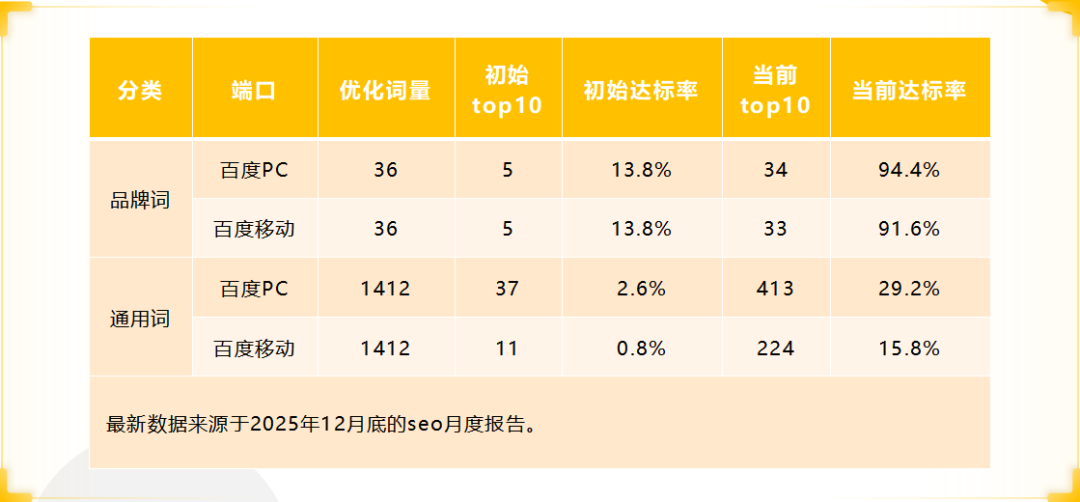
Latest Data from Aizhan
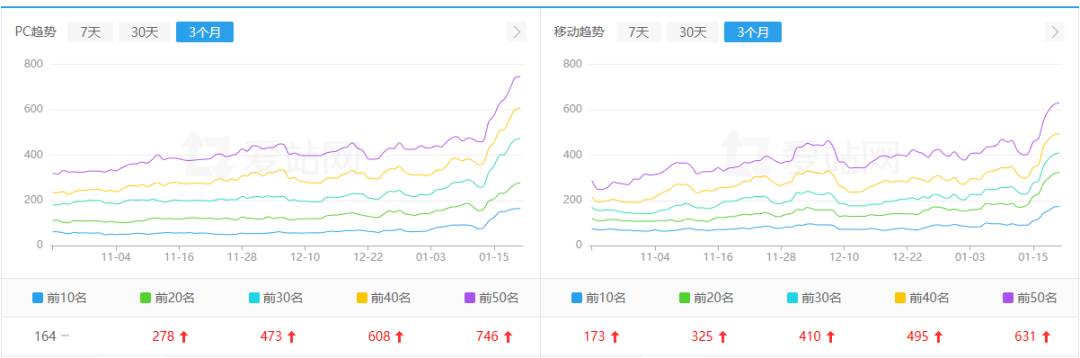
Project Snapshot: Structural Reversal in 3 Months
-
Optimization Period: 3 months
-
Core Results (December 2025 Data):
-
Brand Keywords (Baidu PC): Top 10 attainment rate soared from 13.8% to 94.4% (34 out of 36 keywords ranked in the top 10).
-
Generic Keywords (Baidu PC): Top 10 ranked keywords jumped from 37 to 413, expanding coverage tenfold.
-
This was not a simple "traffic fluctuation", but a thorough structural improvement.
-
Client Profile: Typical "Large & Heavy" Enterprise
This is a leading enterprise integrating manufacturing and technology, and its official website has highly representative symptoms:
-
Extremely complex product lines: 33 primary categories, 132 secondary categories, each with an independent topic page.
-
Strong content assets: 197 in-depth solution topic pages with high originality, written personally by the product department.
-
Core Pain Point: Strong content, but the SEO system "failed". The site was in a state where "search engines simply could not process it".
In-Depth Diagnosis: Not Poor Content, but Collapsed Infrastructure
Before taking action, we identified a series of common "invisible killers" on large-scale sites:
-
Lack of TDK standards
-
Overly heavy pages caused by front-end & back-end separation + SSR
-
Weight dispersion across multiple domains
-
Misuse of H tags
-
Extremely low indexing rate with no sitemap permissions
-
High content duplication on restricted pages
None of these problems are fatal alone, but when they coexist on a large site, they build an invisible wall that blocks search engines' understanding path.
5 Practical Steps: Rebuilding the SEO System for Large Official Websites
Step 1: Ruthless Keyword Allocation — Facing the "Index Gap"
The client provided 1,448 keywords (1,412 generic keywords + 36 brand keywords). Many people think keyword allocation is simple, but the real challenge lies here:
-
Data Check: We verified indexes one by one and found 414 generic keywords had no established indexes at all.
-
Cruel Truth: 312 of these keywords had no corresponding products or pages on the official website (some due to unlaunched products, others due to mismatches between industry aliases and site naming).
-
Solution Path: Instead of forcing "creating" pages, we immediately turned to the client for support. After 3 weeks and multiple rounds of coordination with product and R&D teams, we fully clarified the mapping between keywords and pages.
-
Final Mapping: 1,412 generic keywords → 388 pages; 36 brand keywords → 26 pages (in a large group system, one product is an independent brand, so they cannot be simply assigned to one page).
-
Core Insight: Project-based SEO must be accountable for KPIs. Ignoring the real "keyword-page" correspondence may lead to increased traffic but zero KPI achievement. This is the essential difference between technical thinking and project thinking.
Step 2: TDK Creation — "Grunt Work" with No Shortcuts
After keyword allocation, the real TDK creation begins. Facing massive pages and strict review processes, the only guarantee is to ensure each page precisely serves its target keywords, rather than "seeming to cover" them.
Step 3: SEO Standardization Rebuild — The Most Time-Consuming and Underestimated Task
Diagnosis showed that the site’s solution pages and product topic pages did not use unified templates. This meant "modifying one set for the whole site" was impossible.
-
Strategy: We abandoned the illusion of batch modification, adopted page-by-page diagnosis, and produced over 400 pages of Word documents detailing code adjustment plans for each page.
-
Efficient Progress: Facing the huge workload, we sorted a modification priority list for the client, solving core issues first and deciding follow-up steps based on results. Thanks to the client’s web team, after 4 weeks and 4 Tencent Meetings for item-by-item review, we completed the underlying restructuring.
Step 4: Breaking Permission Barriers — Unblocking Search "Vessels"
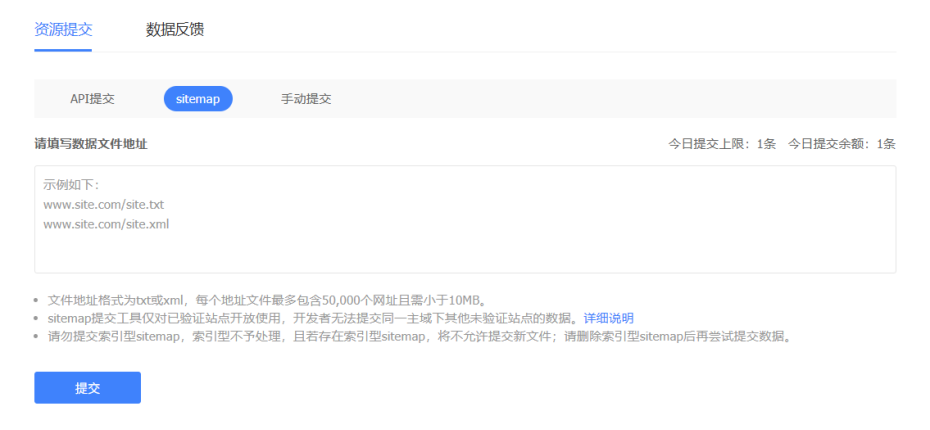
For large enterprise sites, revoked sitemap permissions and API push limits of only 10 entries per day are common. But this is not unsolvable.
-
Results: Through professional communication, we finally obtained for the client:
-
Activated sitemap permissions
-
API push quota increased from 10 entries/day to 1,000 entries/day
-
Permission to submit 5 sitemap URLs
-
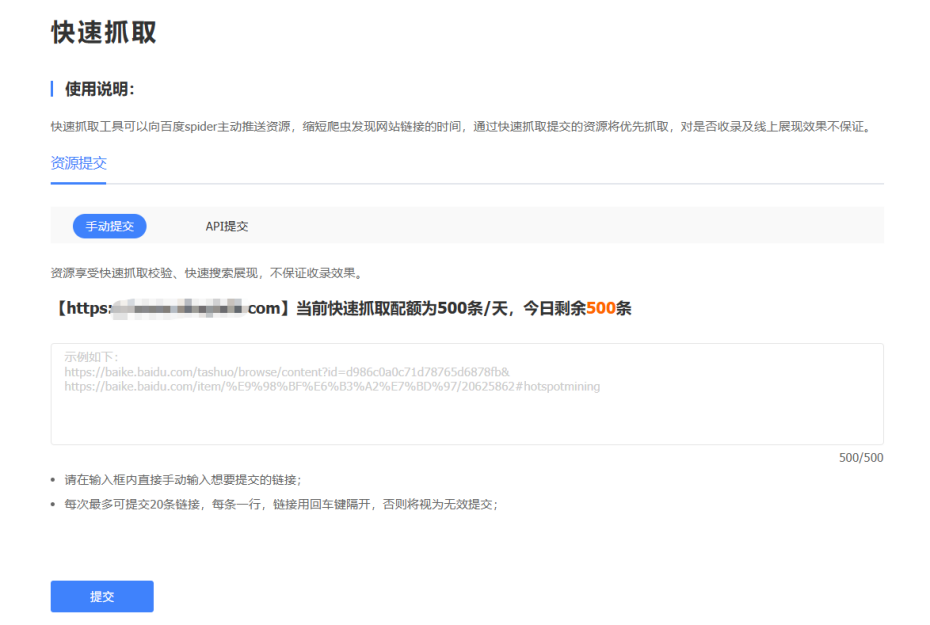
Fast crawling access (high-quality pages indexed within 24 hours as standard)
-
-
Key Reminder: The push mechanism must include a "manual confirmation node". Otherwise, automatically pushing unfinished pages to search engines will damage the site.
Step 5: Return to Regular SEO — Refined Operations
After completing the above standardized infrastructure, we officially launched regular optimization, planned about 90,000 high-quality backlinks, and started steady ranking improvement.
In the GEO Era, Why Can’t Large Clients Abandon SEO?
The reason this project achieved results in 3 months is not "black tech", but bringing long-unstandardized search assets back to the right track. This gave us a deeper sense of current trends:
-
SEO is the foundation of GEO: AI search and generative recommendation do not "understand" enterprises out of thin air, but reprocess existing content systems, authority, and structured information. If a site itself has chaotic TDK, inconsistent page models, and restricted indexing, GEO will be out of the question. GEO solves "how to be better referenced", while SEO solves "whether you are systematically seen".
-
SEO is shifting from "skill-based work" back to "engineering capability": For large clients, SEO is no longer just writing articles and building backlinks. It requires:
-
A complete keyword-page mapping system.
-
Unified models and search standards.
-
Sustainable indexing and crawling channels.
-
A structured foundation laid in advance for future GEO and AI search.
-
Closing Thoughts
Many people ask me: In the GEO era, is it still worthwhile for large clients to invest in SEO?
My answer has never changed: the larger the client, the more SEO should be built as "standardized infrastructure", not a temporary tactic.
When SEO becomes a standardized capability, it is no longer a "cost item", but:
-
A content source supporting GEO.
-
A base to amplify the authority of brand and product keywords.
-
A stabilizer to reduce uncertainty in future AI search.
In this era full of trends, we choose to return to the essence — from the perspective of search marketing, truly implement the relationship between SEO, content structure, and GEO into "executable, deliverable, and reusable" solutions.
We do not chase trends or hype concepts. We only solve one problem: ensuring enterprises will not be silenced under any changes in search forms.
-
Forge ahead in the AI short drama sector, build a full-process intelligent creation platform
Date: Jun 9, 2026 Read: 40
-
A Complete Guide to GEO Optimization Training: From Awareness to Implementation
Date: Apr 30, 2026 Read: 82
-
GEO Customer Acquisition: Take the first step bravely, and don't let "I could have" become regret
Date: Apr 30, 2026 Read: 73
-
Small Brand GEO Optimization: Don’t Treat Window Period as Norm, Media Budget Is Not Optional
Date: Apr 30, 2026 Read: 78
-
Don’t mistake article-posting luck for GEO expertise
Date: Apr 30, 2026 Read: 94
-
In the GEO Era, Major Brands Need Dual SEO & GEO Infrastructure for Website Revamps
Date: Apr 30, 2026 Read: 72
